
for athletes, parents and coaches
Athlete Mental Health Impacts From Sports Injuries
How a sports injury affects an athlete's mental health, and what athletes, parents and coaches can do while the body heals.

By Crystal Waddell, former athlete and coachUpdated November 2026
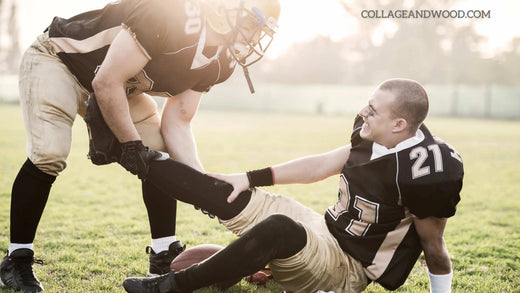
Sports are more than physical activity. Sports are how athletes connect with teammates, compete and feel a sense of accomplishment. So what happens when an injury takes all of that away, even for a little while?
This post is part of our athlete mental health series. I've been an injured athlete, and there's so much I wish I'd done differently. Here's what athletes, parents and coaches can do to protect an athlete's mental health while the body heals.
The impact
How a sports injury affects mental health
Thousands of athletes are hurt playing sports every year, and an injury can lead to anxiety, depression and long-lasting mental health struggles if nobody notices.
The emotions after an injury often look like grief, because the athlete has lost something real. The Kubler-Ross grief cycle was first used to describe reactions to death, but the same stages show up after any big loss:
- Denial
- Anger
- Bargaining
- Depression
- Acceptance
Read more about the grief cycle in our post on mental health in athletes. If you or someone you know is overwhelmed, depressed or anxious after an injury, talk to someone. You don't have to go through this alone.
If you're injured
What to keep in mind after a sports injury
1. Accept the downtime. Feeling frustrated or angry is normal. Be patient with your body, because your body needs time to heal.
2. Use the time well. Focus on relationships, school and goals for when you return. Learn about nutrition or new training techniques that will make you a better athlete in the long run.
3. Look for the positives. It's easy to dwell on what you're missing. Try to notice what you can still do and how you're growing.
4. Get help if you're struggling. A counselor or therapist can give extra support and guidance if the negative feelings won't lift.
An injury isn't the end of the world. With time and support, athletes come out of an injury with lessons that last.
Common fears
Fears athletes have after an injury
Professional or amateur, injured athletes ask themselves the same questions:
- Is this serious? Will I recover?
- Where should I go for treatment?
- How long will recovery take?
- What if I never get back to my old level?
- Will I lose my spot on the team?
These worries are valid, and they can cause real anxiety. Every injury is different, and so is every recovery. Access to help matters too: professional and college athletes often have athletic trainers, team physicians, sports medicine staff and sports psychologists. Younger athletes may not.
The good news: medical advances keep improving recovery times, and with time, patience and hard work, most athletes return to their previous level of play.
For coaches
How to keep injured athletes involved
Injured athletes often feel left out and isolated when they can't compete. Keeping injured players part of the team reminds them of their value and purpose:
- Include injured players in team meetings and planning sessions.
- Bring injured players along when the team travels.
- Give injured players a real job, like helping coach or mentor younger teammates.
For parents
Tips for parents of injured athletes
When your child gets hurt, it's normal to feel worried and helpless. Staying calm and supportive helps your athlete do the same.
- Encourage rest. Athletes often feel like they're not doing enough and rush through rehab. Remind your athlete that healing is the job right now.
- Take recovery one milestone at a time. Some injuries heal in days or weeks; others take months or longer. Milestones are good. Rushing is not.
- Follow the doctor's plan. Make rehab and the doctor's advice the priority.
- Keep your athlete connected. Team meetings and time with teammates help your athlete feel like part of the team.
- Don't push a return. Let the medical team decide when your athlete is ready.
- Watch for signs of depression. Changes in sleep, appetite, mood or interest in friends are worth a conversation and a call to a professional.
The costs
The financial side of a sports injury
An injury can bring financial stress on top of the physical and emotional pain: doctor visits, follow-up care and time away from work add up fast.
The Department of Health and Human Services reported that emergency departments treated more than 570,000 basketball injuries in 2012. For adults, average charges ranged from $2,294 for a sprain to $7,666 for an arm fracture.
A 2019 study in the National Library of Medicine found that five years of youth sports injuries in Florida cost $24 million in inpatient care and $87 million in emergency care. The average youth inpatient visit cost $6,039, and the average emergency visit cost $439.
Recovery
Four keys to recovering from a sports injury
1. Rest. The injured area needs time to heal, from a few days to several months depending on the injury. Many athletes try to power through pain, which makes recovery harder.
2. Rehabilitation. A well-designed rehab program, often supervised by an athletic trainer or sports medicine professional, rebuilds strength, flexibility and range of motion.
3. Prevention. Once you've recovered, stretch, use proper technique and wear protective gear. After a knee injury, that may mean a knee brace for months after returning to play.
4. Mental health support. A counselor, therapist or sports psychologist can help athletes build healthier ways to cope. If cost is a barrier, start by talking with a trusted family member, friend, coach or school counselor. Asking for help is not a sign of weakness.
Back on the field
Getting back on the field
Feeling nervous when you return is normal. You may doubt yourself or worry about getting hurt again. Remember that your injury is not a reflection of your worth as an athlete. You worked hard to recover, and you deserve to be back.
Take things one step at a time, and don't push harder than feels right. If you're still struggling emotionally after an injury, reach out to your school's sports medicine team or a sports psychologist. We're cheering for your recovery!
Questions families ask
What is the psychological impact of an injury in sports?
Sports are a huge part of an athlete's life, so an injury can feel like losing part of yourself. Athletes often feel frustration, anger, anxiety or sadness, much like grief. With support and time, athletes can work through those feelings and move forward.
What are the most common sports injuries?
Four common types are sprains (a stretched or torn ligament, often in the ankle), strains (a stretched or torn muscle or tendon, often in the hamstring or groin), tears (a partial or complete rupture of a muscle or tendon) and dislocations (a bone forced out of its joint, most often the shoulder). Recovery ranges from a few days to several months.
How do sports psychologists help injured athletes?
A sports psychologist helps athletes understand and cope with the emotional side of an injury, builds mental strategies for pain and setbacks, and works on a plan for returning to play so the physical and mental comeback happen together.
Where can an athlete get help right now?
In the US, call or text 988 to reach the 988 Suicide & Crisis Lifeline, any time. For ongoing support, talk with a school counselor, the team's athletic trainer or sports medicine staff, or a licensed therapist or sports psychologist.
Thanks for reading!
Your athlete is more than the game
Wins, losses and injuries come and go. The people who show up for your athlete are what last. When the season ends, celebrating the whole journey can help your athlete look back with pride.
